The hot towel is not a spa extra bolted onto a shave. It is the mechanism that makes the shave work. Everything in a traditional barbershop shave at Forest Heights Barber Shop in Statesville follows from one problem: dry beard hair is remarkably tough, roughly as hard to cut as copper wire of the same thickness, and forcing a blade through it is what causes most shaving misery.
Heat and moisture solve that problem before the razor appears. A beard hair that has absorbed hot water cuts with far less force, the skin underneath softens, and the blade can work at a shallower, gentler angle. The sequence has survived a century of faster alternatives because each step does a job the next step depends on.
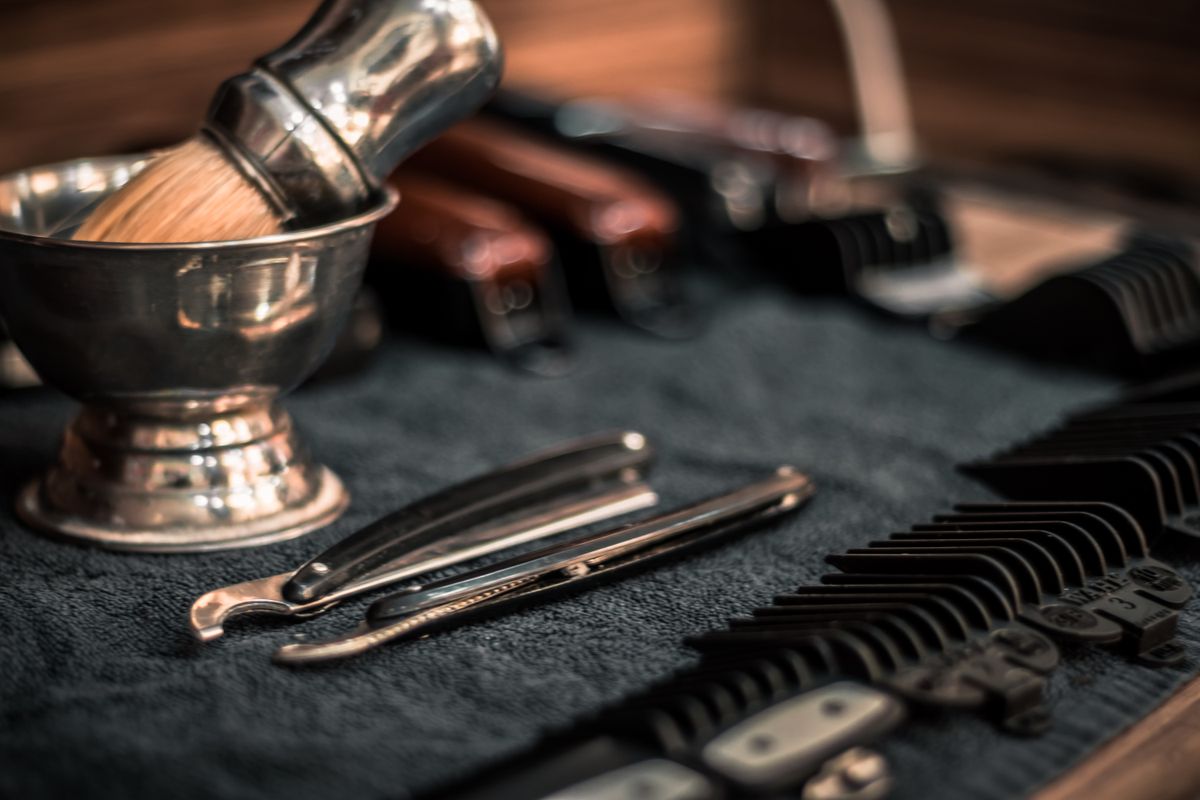
The sequence, and why the order matters
First, the towel. It is heated, wrung out, and laid over the beard for a couple of minutes, sometimes twice. Beyond softening hair, the heat opens the way for lather to spread evenly and signals your skin and muscles to relax, which genuinely helps, since a tense jaw fights the barber's skin-stretching.
Next comes lather, worked in with a brush in circles. The brush lifts hairs upright, pushes lather to the skin beneath them, and provides mild exfoliation. Then the shave itself: a first pass with the grain, re-lathering, and a second pass across or against it. A cool towel and balm finish the job by calming the skin. Skipping the opening steps and going straight to the blade is the home routine most men know, and comparing the two explains the difference in results.
| Option | Best for | What you get | Watch out for |
|---|---|---|---|
| Full hot towel shave | Clean-shaven men, occasions | Closest result, calmest skin | Allow about 30 minutes |
| Single-pass shave | Reactive or sensitive skin | Nearly as close, gentler finish | Stubble returns a little sooner |
| Partial razor finish | Beard wearers | Sharp cheek and neck lines | Beard itself still needs shaping visits |
| Home cartridge routine | Daily speed | Fast and familiar | Most ingrowns and drag come from skipped prep |
Choosing between the options
A full hot towel shave suits men who shave clean daily or want the closest possible result for an occasion. A partial version, razor work on the neck and cheeks around a kept beard, gives the sharp edges without removing the main growth. Men with very reactive skin may do best with a single with-the-grain pass, which a barber will happily do if asked, trading a fraction of closeness for a much calmer next two days.
The home cartridge routine still wins on speed and cost of time, and for many men on ordinary days that trade is correct. The honest comparison is not which is best overall but which fits the day: ten minutes at home on a workday, or the full sequence when the result has to last through a long event or the skin needs a careful reset.
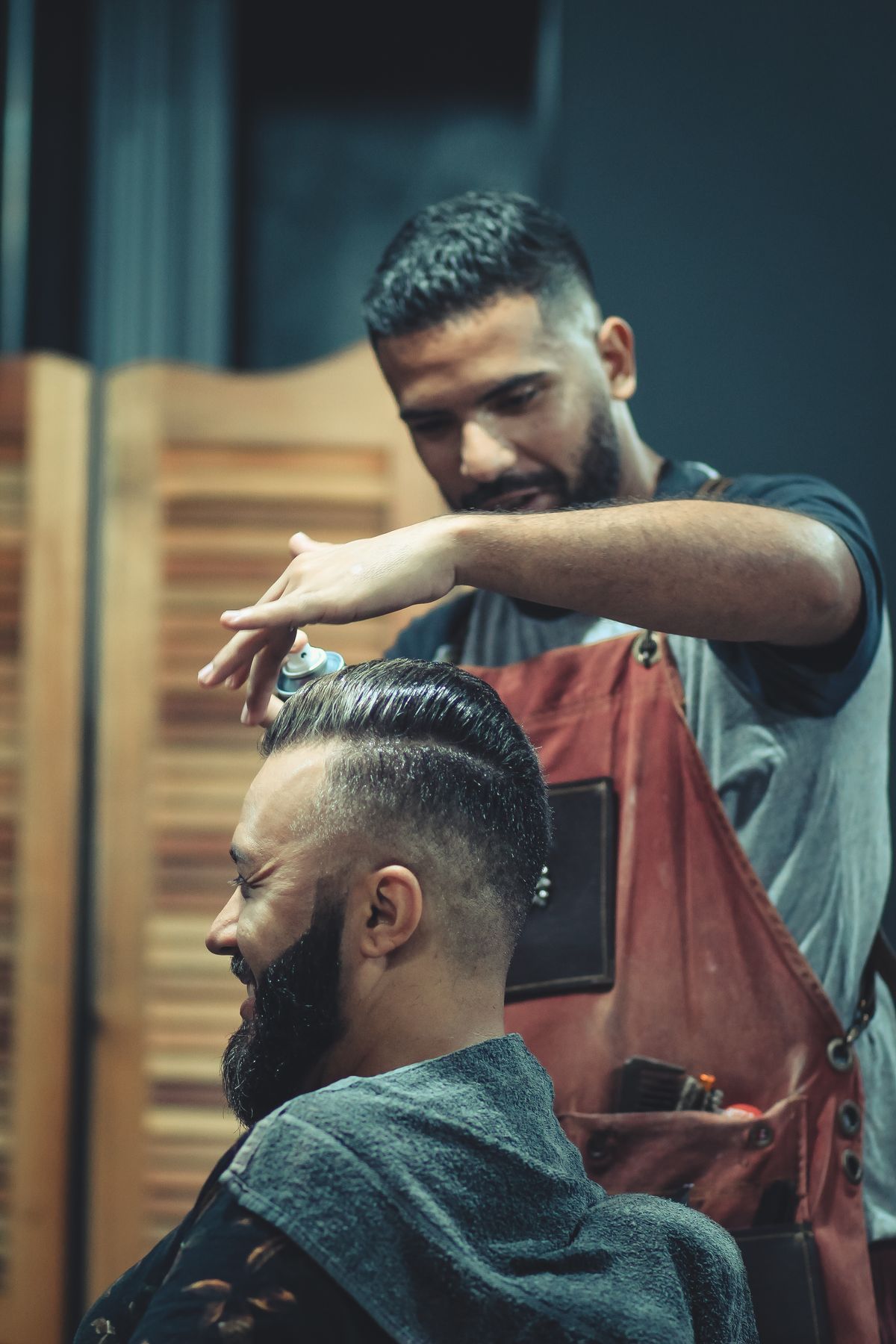
What it cannot do
A hot towel shave will not permanently reduce growth, cure ingrown hairs in one visit, or fix skin problems that need a doctor. Recurring angry bumps along the neck may improve with single-blade technique and better prep, since multi-blade cartridges can cut hair below the skin line where it then traps itself. But persistent irritation, sores, or spreading redness belong in a medical conversation.
It also should not happen over sunburned, broken, or actively flaring skin. In Statesville summers that means the Monday after a long lake weekend is sometimes the wrong booking. Wait for the skin to settle and the shave will reward the patience.
Keeping it up between visits
Hair changes with the seasons in Piedmont North Carolina. Summer humidity swells hair and makes edges look soft sooner. Winter air dries the scalp and can make the same cut feel tighter and itchier. Pollen season adds its own problem in spring, when hats, rinsing, and frequent washing all affect how a cut sits. A schedule that works in January may need a small adjustment by July, and that is normal.
Growth is steady and unsentimental. Scalp hair grows roughly half an inch a month for most adults, a little faster in warm months and a little slower with age. That simple rate explains most maintenance schedules. Two weeks after a short cut the outline has moved noticeably, and by four to six weeks the shape the barber built has changed enough that styling takes longer each morning.
Common questions
Why does the towel need to be hot, not warm?
Heat speeds how fast hair absorbs water and softens. A properly hot towel, comfortable on the skin but steaming when unwrapped, does in two minutes what lukewarm water does poorly in ten.
Is a straight razor more dangerous than my cartridge?
In trained hands, no. The barber controls angle and pressure with the skin stretched flat, and a single edge causes less cumulative irritation than several blades dragged repeatedly over the same area.
How should I prepare before the appointment?
Arrive with at least a day of growth if you can, skip heavy aftershave that morning, and mention any medicines affecting bleeding or any skin conditions in the beard area before the towel goes on.
Photos in this guide are representative stock images.
← All guides from Forest Heights Barber Shop← Back to Forest Heights Barber Shop